

Genomics & Systems Biology
Using Precision Medicine tools to unmask and address biological determinants of cancer health disparities.
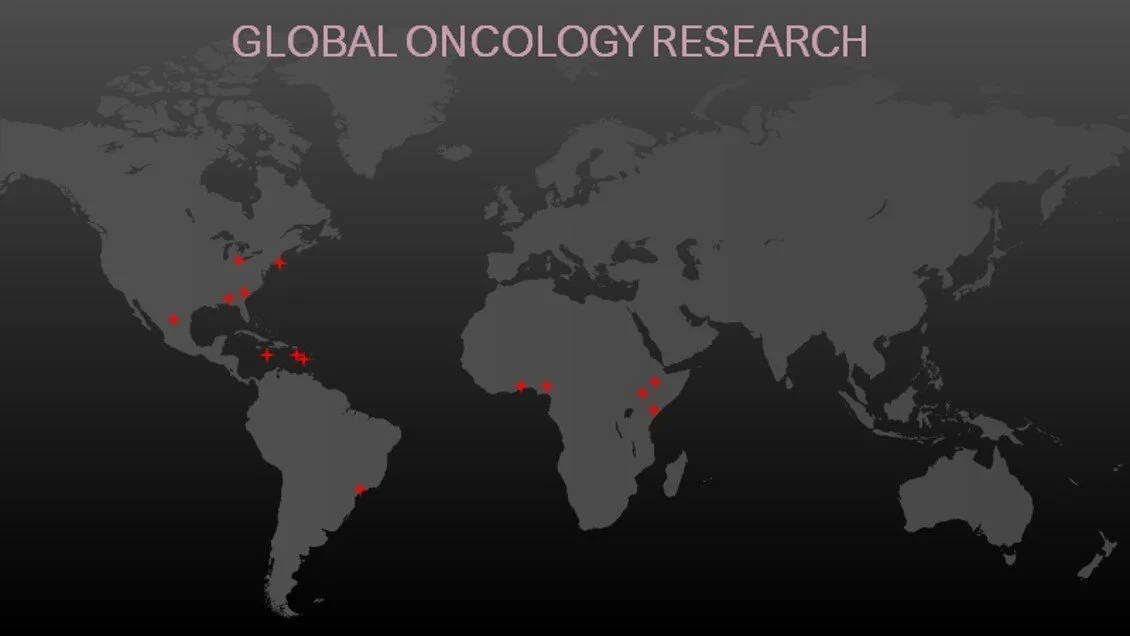
Global Oncology Disparities
Genetic Ancestry
Societal to Biological Determinants
“….in certain minority groups, such as African Americans, in the United States, the family health history is very incomplete, as is the relatedness of individuals through a pedigree analysis that would extend beyond three generations, for instance, in contemporary families. … we have a disconnection of information… that can be overcome with global genomic oncology” - Melissa B. Davis (Executive Director of Morehouse School of Medicine’s Center for Genomic Research and the Institute for Translational Genomic Medicine)
We are poised to make exceptional contributions to cancer research and expand knowledge of disease diversity.
THE POWER OF INCLUSION (more populations)…. TO DEFINE GENETIC VARIATION (plasticity in disease)
Under my direction, the ICSBCS teams’ research initiatives expanded to include genomic and multi-omic investigatons, and we exceeded all expectations! ICSBCS succeeded with integrating diverse biospecimen types into our prospective and retrospective cohorts of over 5000 cases and controls and continues banking biospecimen for tumor, circulating biomarkers and germline DNA; including peripheral blood, fresh tumor/normal tissue, saliva (germline DNA) and patient derived organoids.
Now, as I lead the next evolution of Oncologic Anthropoloty through SAMBAI and the DARC side of breast and prostate cancers, we are expanding our reach into each region of Africa. Now with formal collaborations in over a dozen sites across Africa and the West African diaspora in the US and the UK, we are poised to make exceptional contributions to cancer research, expanding current knowledge of ancestral susceptibility in cancer risk, diversity in tumor pathology, immunology and precision treatment effectiveness in African descendant populations. With some intentional engagment and patient involvement, we also aim to create precision prevention strategies for the populations with the heaviest cancer mortality burden on the planet.
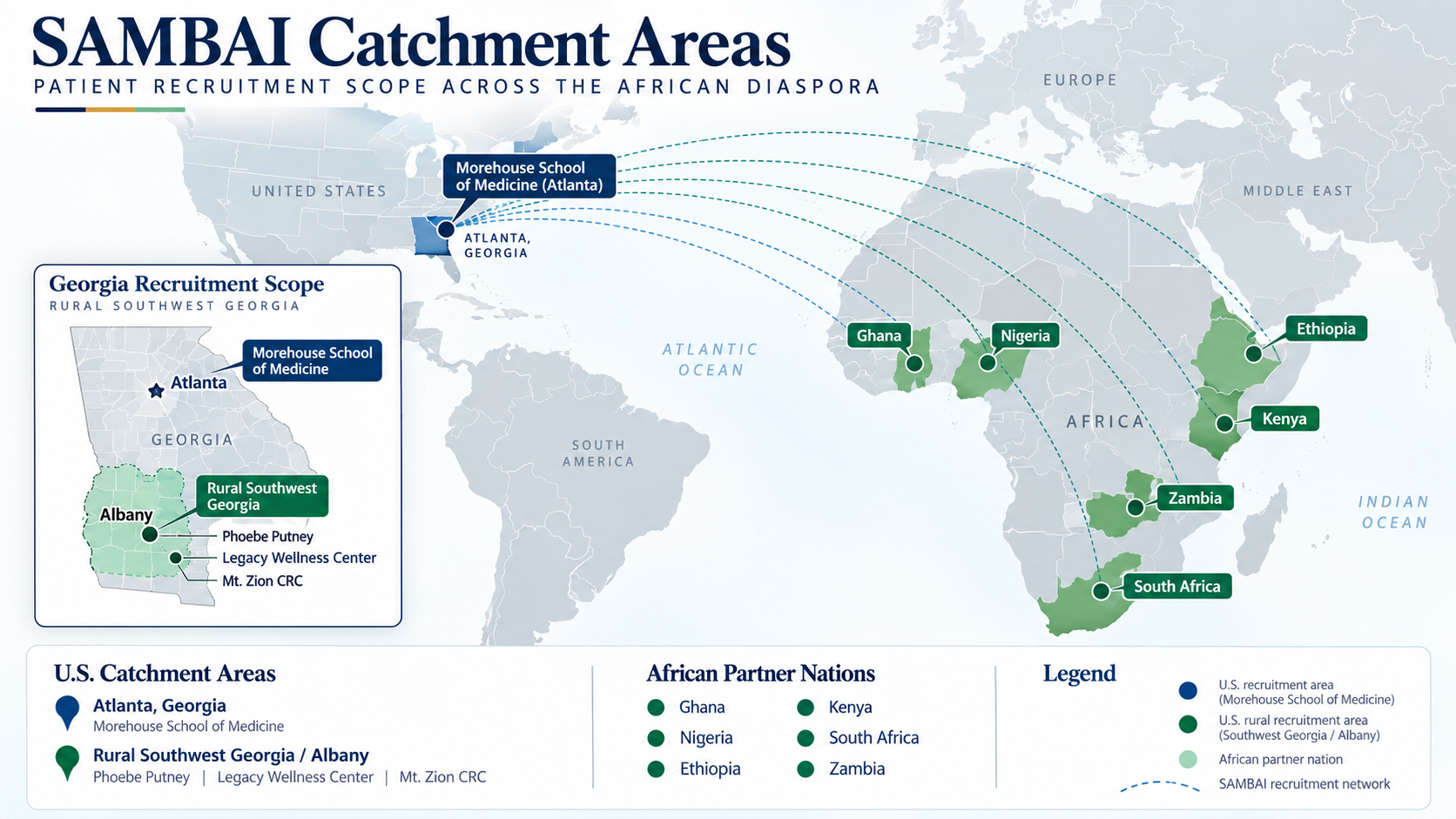
Targeted Enrollment of our group includes strategic inclusion of areas on the continent of Africa as well as the full breadth of the diaspora.
SAMBAI is enriched with African ancestry
SAMBAI
It all begins with an idea - Imagine a world where it doesn’t matter who you are or where you live, cancer is curable. Or even preventable.
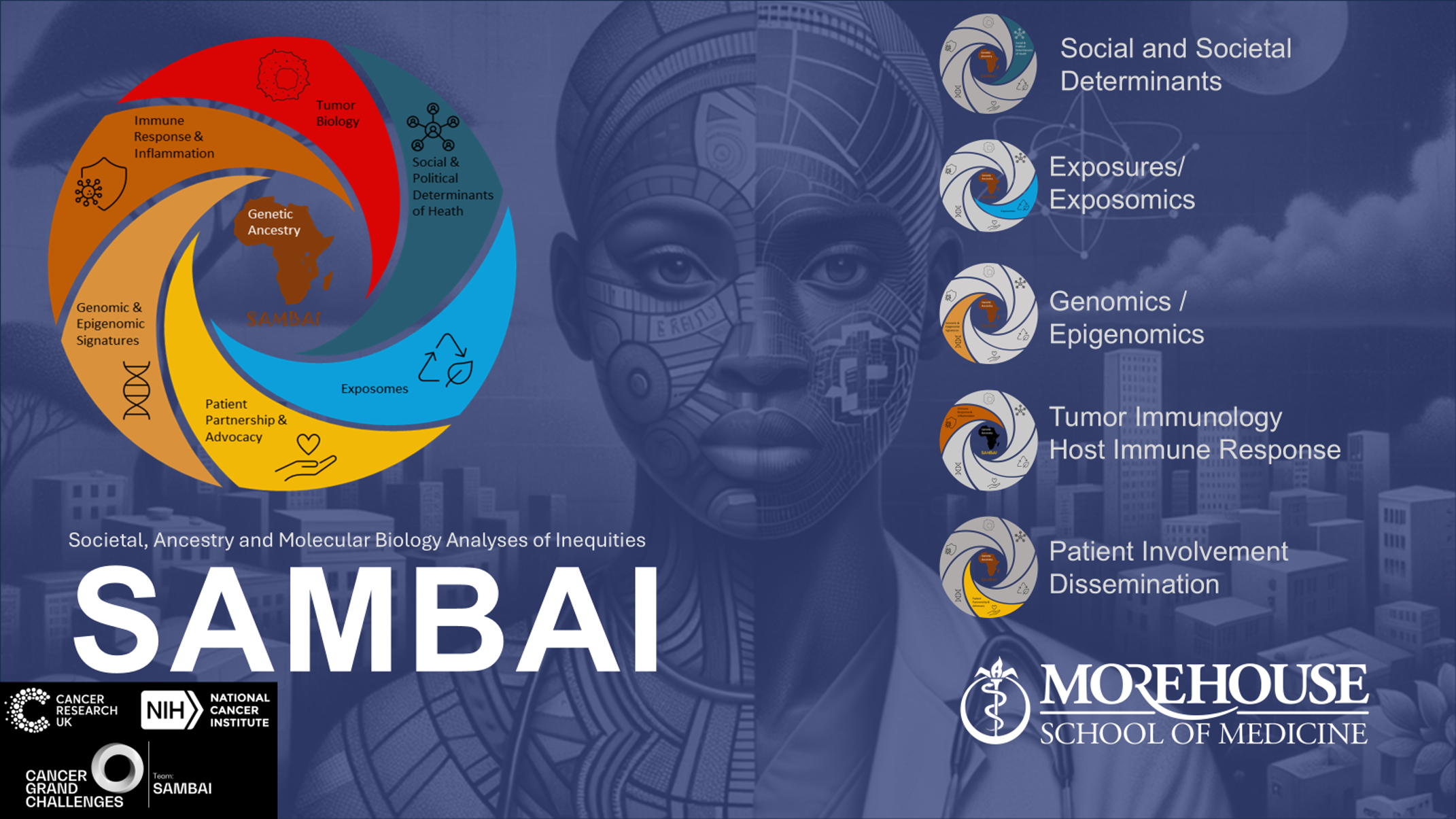
Our approach is deliberately comprehensive:
Societal data on access, environment, and structural inequities.
Ancestry-informed genomics using long-read sequencing to capture variation often missed in Eurocentric datasets.
Molecular profiling of tumors and immune responses.
Biological analyses integrating exposomics and immune surveillance.
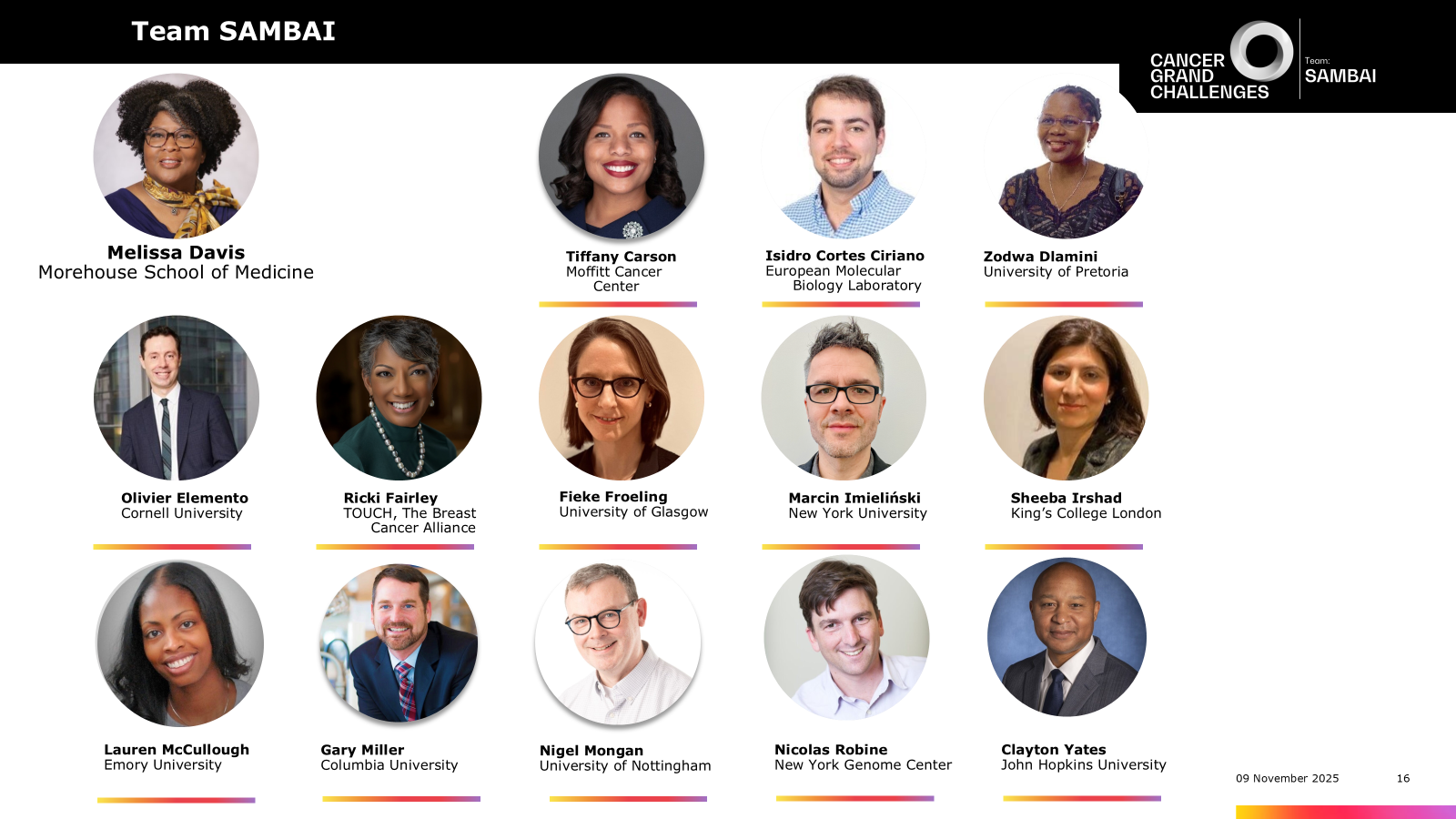
In 2024, our team—spanning institutions from the U.S., U.K., and across Africa—was awarded a $25 million Cancer Grand Challenge grant to tackle inequities head-on.
SAMBAI’s mission is clear: to understand why populations of recent African descent face such disproportionate burdens in cancers like breast, prostate, and pancreatic cancer.
While priorites may change in our society, we remain steadfast in our principled approaches of capacity-builing and community involvment. We are not just in it for the short-term splash, but the long-term saturation of equity across the diaspora.
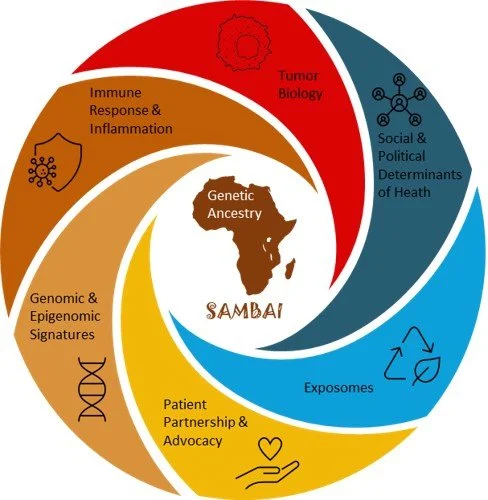
This is not one lab or one country’s effort—it is a global partnership, from Morehouse School of Medicine in Atlanta, to EMBL in Europe, to the University of Pretoria in South Africa. Together, we are rewriting the blueprint for equitable “precision oncology.”
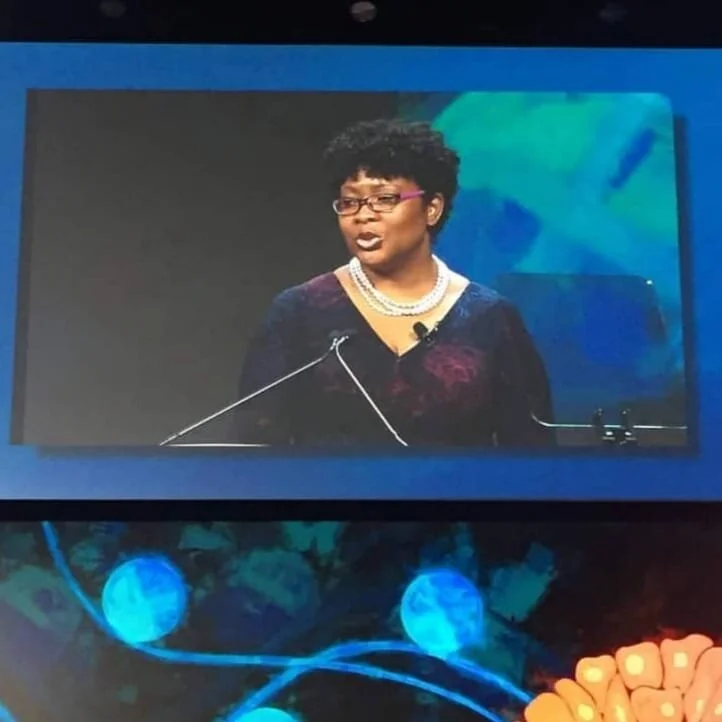
The Davis Lab and ITGM
Find out about our mission, methods, and the results from decades of disparities research.

Take Action
Ready to take the next step? You can become a contributor to our cause, or participate yourself. Contact us!